Know Before You Go
Practical information for a smoother Mammoth trip, from road conditions to altitude, weather and wildlife.
Road Conditions & Chain Controls
Mountain weather can change quickly, especially during fall, winter and spring. Before driving to Mammoth, check current road conditions and chain restrictions rather than relying on general weather apps.
Caltrans District 9 — for current Eastern Sierra road conditions, closures and travel alerts.
Live Chain Controls — for active chain-control locations and requirements.
Yosemite & Tioga Pass Access
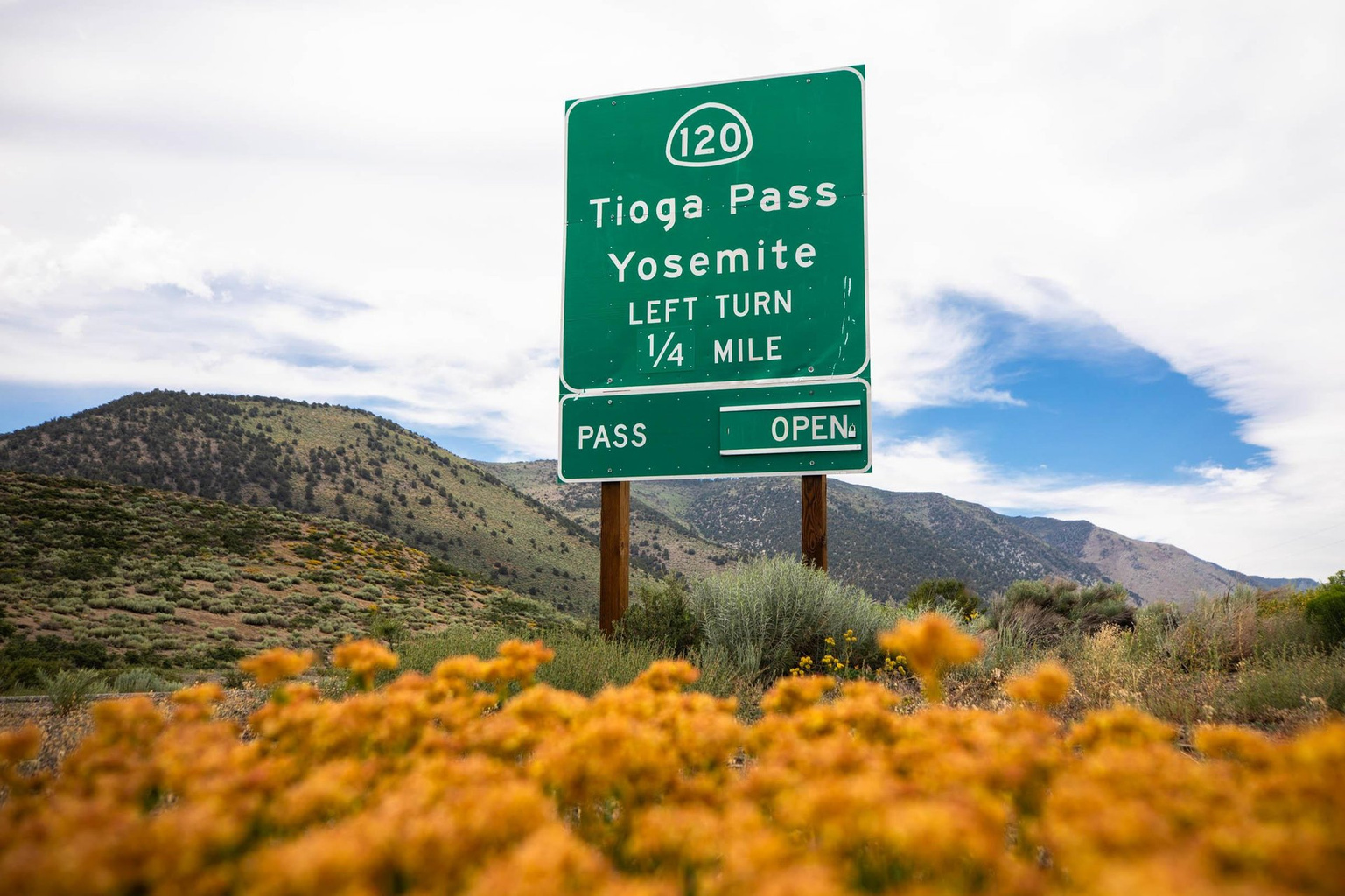
Tioga Road (Highway 120 through Yosemite) closes seasonally due to snow, usually sometime in fall and reopening in late spring or early summer. When Tioga Road is closed, Yosemite cannot be accessed from Mammoth via the east entrance, so always check current conditions before making plans.
Yosemite Road Conditions — official National Park Service updates for Tioga Road and other Yosemite roads.
Caltrans Highway 120 — current state highway closures and road conditions approaching Yosemite from the east.
Weather & Mountain Conditions
Weather in Mammoth can change fast, and temperatures at elevation may be very different from what you see in the Owens Valley or Los Angeles. Check the forecast shortly before your trip and again before heading out for the day.
Mammoth Mountain Weather & Conditions — current mountain weather, lift and trail status, and live conditions.
National Weather Service — Mammoth Lakes — official local forecast and weather alerts.
Altitude & Hydration
Mammoth Lakes sits at about 7,900 feet, and many activities take you even higher. If you’re arriving from sea level, take it easy your first day, drink plenty of water and go easy on alcohol. Mild headache, fatigue or shortness of breath can happen while your body adjusts.
Start hydrating before you arrive, and keep drinking plenty of water once you’re in Mammoth. Give yourself 12–24 hours to acclimate before strenuous hiking, skiing or other intense activity. Alcohol can hit harder at altitude and may worsen dehydration, so pace yourself.
For a more comfortable night, keep the bedroom a little cooler rather than overheating the room. Mountain air is already very dry, and high heat can make that feel worse. There’s also a humidifier in the bedroom if you’d like to use it.
If symptoms become severe, keep getting worse, or include confusion, trouble walking, severe shortness of breath or chest pain, seek medical help and move to a lower elevation if possible.
What to Wear & Pack
Mountain weather can shift quickly, and temperatures can vary a lot between morning, afternoon and evening. Layers are the easiest way to stay comfortable. Bring a light jacket or fleece year-round, sturdy shoes, sunscreen, sunglasses and a hat.
In fall and spring, pack for both warm sun and sudden cold, wind or even snow. In winter, waterproof outerwear, gloves, warm socks and proper footwear make a big difference. Even in summer, evenings can feel surprisingly cool.
Bears & Wildlife
Mammoth is bear country. Never leave food, coolers or scented items outside or in your car, even for a short time. Keep doors closed, dispose of trash properly and never approach or feed wildlife.
Bears, deer, coyotes, squirrels and other animals are part of the mountain environment, so give them plenty of space and keep children and pets close when wildlife is nearby.
During seasonal temperature changes, especially in fall and spring, small critters such as squirrels, mice or chipmunks may occasionally try to find their way indoors. Keeping doors closed when you’re not at home and food put away helps discourage them. It’s simply part of being in a true mountain setting, and we do our best to keep the homes well maintained and protected.
Mosquitoes & Bugs
Mosquitoes can be especially active around lakes, meadows and wet areas during warmer months, particularly after snowmelt. Bring insect repellent if you’ll be spending time outdoors, especially around dawn and dusk.
Fire Safety & Restrictions
Wildfire risk is a serious part of life in the Eastern Sierra, especially during the warmer and drier months. Fire restrictions can change quickly depending on conditions, so always check current rules before using any outdoor flame, charcoal grill or fire pit.
Never leave any flame unattended, and make sure cigarettes and other smoking materials are fully extinguished. If you see smoke or fire, call 911 and follow any local evacuation instructions immediately.
Inyo National Forest Fire Restrictions — current restrictions, closures and safety notices.